
Gambling's cultural importance Exploring the roots and values across societies
The Historical Significance of Gambling
Gambling has deep historical roots, tracing back to ancient civilizations. Archaeological evidence suggests that games of chance were present in cultures such as the Chinese, Romans, and Greeks. These societies used gambling not only for entertainment but also as a means of social interaction and community bonding. The acceptance of gambling in these cultures highlighted its significance as a reflection of human behavior and societal values. Additionally, newcomers to the world of online gaming might find a valuable resource in the Casoola casino review, which offers insights into popular platforms today.

In many early societies, gambling served a dual purpose. It acted as a form of diversion while also functioning as a method to determine fate in important decisions, such as land allocation or military endeavors. This intertwining of chance with significant life choices reflects the cultural perceptions of luck and destiny in various societies throughout history.
Gambling as a Social Construct
Across different cultures, gambling often serves as a social construct that fosters community ties. From local poker nights to massive betting events, these activities bring people together, encouraging camaraderie and shared experiences. In many cultures, communal gambling events are celebrated and even integrated into festivals and social gatherings, demonstrating its role in social cohesion.
Moreover, the values surrounding gambling—such as fairness, risk-taking, and competition—are often mirrored in the larger societal context. These values contribute to a sense of identity and belonging among participants, as they engage in shared norms and ethics associated with gambling practices within their communities.
The Psychological and Emotional Dimensions of Gambling
The psychological aspects of gambling are profound, influencing how individuals relate to risk and reward. For many, gambling offers an escape from daily routines and provides a rush of adrenaline. The thrill of uncertainty is appealing, allowing individuals to engage their emotions and experience a range of feelings, from excitement to disappointment.
This emotional engagement reveals much about human nature—our fascination with chance and our desire to control or predict outcomes. As gambling continues to evolve, it reflects not just societal trends but also the deep-rooted psychological components that motivate individuals to participate, emphasizing the complex interplay between risk and personal values.
The Role of Gambling in Modern Society
In contemporary culture, gambling has transformed significantly, becoming a multi-billion-dollar industry that encompasses online platforms, casinos, and sports betting. This evolution reflects changing societal attitudes towards gambling, with increasing acceptance and normalization. The development of responsible gambling initiatives also showcases a growing awareness of the potential for harm, emphasizing a balance between enjoyment and responsibility.
Furthermore, the cultural representation of gambling in media and entertainment has influenced public perception, often glamorizing the lifestyle associated with it. This portrayal raises questions about the ethics and social implications of gambling, pushing societies to reconsider its role in their cultural narratives.
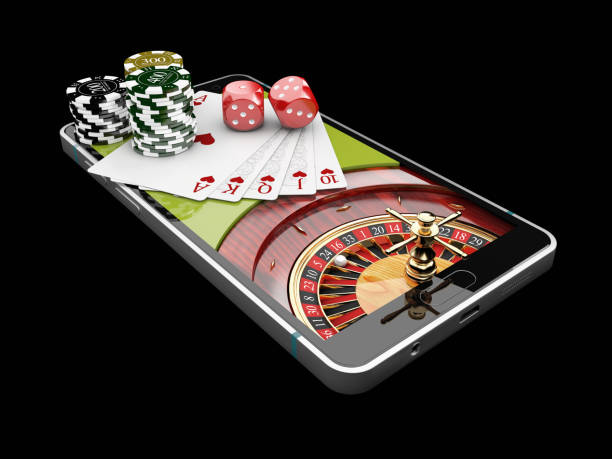
Casoola Casino: A Modern Take on Gambling Culture
Casoola Casino exemplifies the modern evolution of gambling by providing an innovative online gaming platform that caters to diverse player needs. With its extensive library of games, including thousands of slot options and live casino experiences, Casoola embraces the cultural significance of gambling while prioritizing user experience and enjoyment.
The platform not only focuses on entertainment but also emphasizes responsible gambling practices and user support. By fostering a safe and engaging environment, Casoola Casino reflects the contemporary values of accessibility and social responsibility, ensuring that gambling remains a positive cultural force in society.